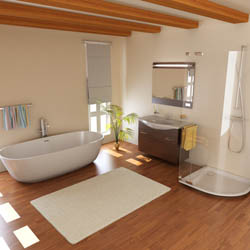
 Natural and synthetic floor coverings can be made from natural materials as well as from synthetic materials.
Flooring Made of Natural Materials
Bamboo: It is cut from the bark of extremely strong plants and brought together in thin strips. It is a very durable floor covering. If necessary maintenance is done, it does not cause any problems in its use.
Jute: It is a sustainable resource. Its production is supplied from India and China. Its durability is high. A textured product is obtained.
Sisal: It is obtained from the mature leaves of the agave (cactus) plant, which grows in Mexico, East Africa and Brazil. Although natural, it is one of the hardest fibers. However, its texture is quite soft despite its hardness.
Seagrass: Obtained from tropical reeds grown in Vietnam and China. Among the reasons why this type of coating is preferred; These thin and naturally grown plants have a wide range of colors.
Banana: It is obtained from the stems and leaves of this plant source that grows in a silky way.
Other natural materials used in flooring are as follows; hemp, silk, linen, cotton, wool…
When purchasing a quality floor covering made from natural (organic) materials, make sure that there is an indication that it is organically produced. This phrase is an indication that toxic chemicals are not present during production. Some manufacturers may use preservatives in addition to organic materials. You need to pay attention to whether there is any statement for these chemicals used to prolong the life of the product and delay its wear. Choosing your products organically will prevent increasing environmental problems and ensure a healthier home environment.
Recommended article, raised floor systems click here to get detailed information about it.
About Synthetic (Artificial) Flooring:
In addition to natural flooring, there are also options made from synthetic materials. The most used flooring materials today; They are models produced from nylon, polypropylene, polyester and acrylic. These synthetic materials provide more durability and flexibility, as well as many disadvantages.
Nylon: It is a highly preferred type in terms of use because it does not absorb moisture. However, there may be cases such as fading or loss of function due to some external factors.
Polypropylene: Solves many of the problems that come with nylon. However, the wear situation could not be prevented in this product either.
Polyester: Similar to polypropylene. It is prone to discoloration and indicates a synthetic nature.
Acrylic: It can also be said to be a wool-like fiber. It is highly flammable and has a very low wear resistance.
Generally speaking, synthetic flooring choices can be a bad choice. Floor coverings made from natural materials are better options in terms of usability.
 Flooring Systems